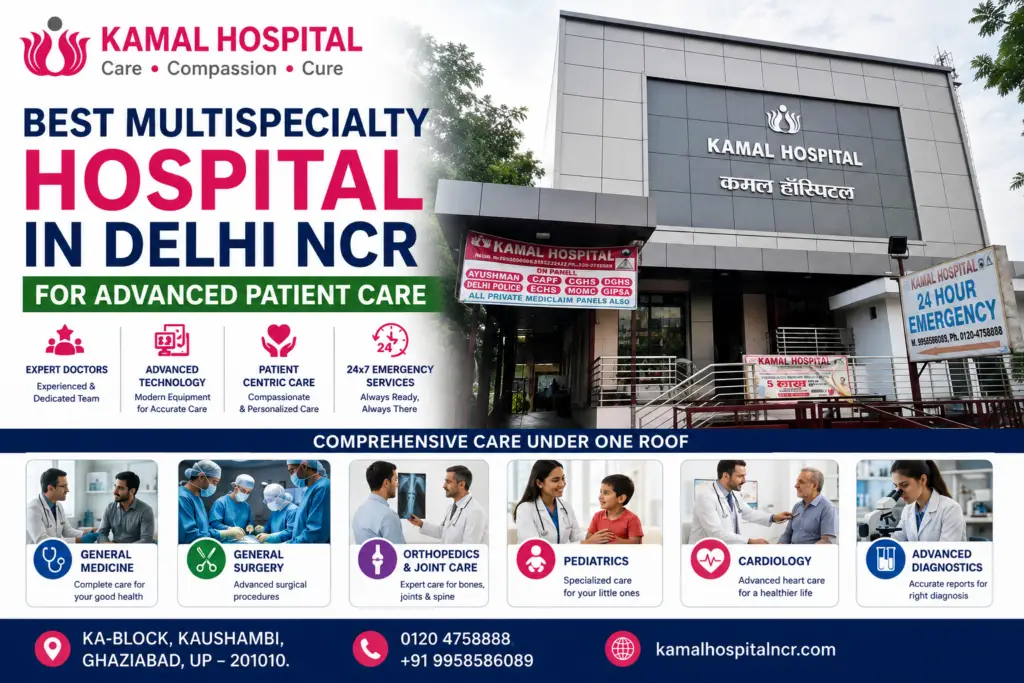
Healthcare plays a vital role in maintaining a healthy and fulfilling life. Choosing the right hospital can significantly impact treatment outcomes, recovery speed, and overall patient experience. In a rapidly growing region like Delhi NCR, patients often seek hospitals that provide comprehensive medical services, experienced specialists, modern technology, and compassionate care under one roof.
A multispecialty hospital offers the advantage of integrated healthcare services where patients can access consultations, diagnostics, treatments, surgeries, and rehabilitation without visiting multiple healthcare centers. This approach not only saves time but also ensures coordinated care among different specialists.
If you are searching for the best multispecialty hospital in Delhi NCR for advanced patient care, understanding the benefits of a modern multispecialty healthcare facility can help you make an informed decision.
What is a Multispecialty Hospital?
A multispecialty hospital is a healthcare institution that provides medical services across various specialties and departments under one roof.
These hospitals typically offer:
- Orthopedics
- General Medicine
- General Surgery
- Gynecology
- Pediatrics
- Cardiology
- Neurology
- Physiotherapy
- Emergency Care
- Diagnostic Services
The primary goal is to provide comprehensive healthcare solutions through collaboration between specialists.
Why Choose a Multispecialty Hospital?
Patients today require healthcare facilities that can address multiple medical needs efficiently.
Comprehensive Medical Care
One of the biggest advantages of a multispecialty hospital is access to a wide range of medical specialties.
For example, a patient with diabetes may need:
- Physician consultation
- Cardiology evaluation
- Eye examination
- Diagnostic testing
All these services can be conveniently accessed within the same hospital.
Expert Team of Specialists
Multispecialty hospitals bring together experienced doctors from various fields.
Patients benefit from:
- Accurate diagnosis
- Collaborative treatment planning
- Specialized care
- Better treatment outcomes
Complex medical cases often require input from multiple specialists, making integrated healthcare highly beneficial.
Advanced Diagnostic Facilities
Accurate diagnosis is the foundation of successful treatment.
Modern multispecialty hospitals offer:
- Digital X-rays
- Ultrasound
- CT Scan
- MRI
- Laboratory Services
- Cardiac Diagnostics
Quick access to diagnostic services helps reduce treatment delays.
Emergency and Critical Care Services
Medical emergencies can occur without warning.
A quality multispecialty hospital should provide:
- 24×7 Emergency Services
- ICU Support
- Trauma Care
- Emergency Surgery
- Ambulance Services
Immediate medical attention can be life-saving during critical situations.
Key Departments in a Leading Multispecialty Hospital
Orthopedics and Joint Care
Orthopedic specialists treat conditions related to:
- Bones
- Joints
- Ligaments
- Muscles
- Sports Injuries
Common treatments include:
- Knee Replacement
- Hip Replacement
- Fracture Management
- Arthroscopy
- Spine Care
General Medicine
General physicians diagnose and manage:
- Fever
- Diabetes
- Hypertension
- Thyroid Disorders
- Infections
Regular health monitoring helps prevent complications.
General Surgery
Modern surgical departments offer treatment for:
- Hernia
- Gallstones
- Appendicitis
- Piles
- Thyroid Conditions
Minimally invasive procedures often result in faster recovery.
Women’s Healthcare
Comprehensive gynecology services include:
- Pregnancy Care
- Infertility Consultation
- Menstrual Disorder Treatment
- Menopause Management
- Gynecological Surgeries
Women’s health requires specialized attention at every stage of life.
Pediatric Care
Children require dedicated healthcare services tailored to their developmental needs.
Pediatric departments manage:
- Childhood Infections
- Vaccinations
- Growth Monitoring
- Nutritional Guidance
Early intervention promotes long-term health.
Importance of Advanced Medical Technology
Technology has transformed healthcare delivery.
Modern hospitals use advanced equipment for:
- Early disease detection
- Accurate diagnosis
- Safer surgeries
- Faster recovery
Technological advancements improve both patient safety and treatment effectiveness.
Patient-Centered Care: The Foundation of Quality Healthcare
Healthcare is not just about treating diseases. It is about caring for people.
Patient-centered care focuses on:
- Individual treatment plans
- Clear communication
- Emotional support
- Comfortable environment
- Transparency in treatment
Hospitals that prioritize patient satisfaction often achieve better outcomes.
Benefits of Choosing Kamal Hospital
Kamal Hospital is committed to delivering quality healthcare with compassion and excellence.
Why Patients Trust Kamal Hospital
✔ Experienced Medical Specialists
✔ Advanced Diagnostic Facilities
✔ Comprehensive Multispecialty Services
✔ Modern Infrastructure
✔ Personalized Treatment Plans
✔ Affordable Healthcare Solutions
✔ Emergency Medical Support
✔ Patient-Friendly Environment
Our healthcare team works together to provide comprehensive treatment and ensure the best possible outcomes for every patient.
How to Select the Best Hospital in Delhi NCR
When choosing a hospital, consider:
Medical Expertise
Look for experienced doctors and specialists.
Technology and Equipment
Ensure access to modern diagnostic and treatment facilities.
Emergency Services
Availability of round-the-clock emergency care is essential.
Patient Reviews
Patient experiences often reflect service quality.
Accessibility
Choose a hospital that is conveniently located and easily accessible.
Comprehensive Care
A hospital offering multiple specialties provides greater convenience and continuity of care.
Preventive Healthcare: A Smart Approach
Preventive healthcare helps identify medical conditions before they become serious.
Benefits include:
- Early diagnosis
- Reduced treatment costs
- Better health outcomes
- Improved quality of life
Regular health checkups are an important part of preventive care.
The Future of Healthcare in Delhi NCR
Healthcare is evolving rapidly with innovations such as:
- Digital Health Records
- Telemedicine
- Robotic Surgery
- Artificial Intelligence in Diagnostics
- Personalized Medicine
Modern hospitals continue to adopt advanced technologies to improve patient care and treatment outcomes.
Contact Us – Kamal Hospital
Looking for expert medical care you can trust?
Get in touch with us today to schedule an appointment or speak with our healthcare team.
📞 Call us: 0120 4758888, +91 9958586089
👨⚕️ Dr. Tejbir Singh Arora – Consultant Orthopaedic Surgeon
🕒 Visit us:
Mon–Fri: 8 AM–8 PM | Sat–Sun: 9 AM–6 PM | Emergency: 24/7
Conclusion
Choosing the best multispecialty hospital in Delhi NCR is essential for receiving comprehensive, high-quality healthcare. A modern hospital should combine experienced specialists, advanced technology, emergency support, and patient-centered care to ensure the best possible outcomes.
At Kamal Hospital, we are dedicated to providing advanced patient care through expert medical services, state-of-the-art facilities, and a compassionate approach. Whether you require routine consultation, specialized treatment, diagnostics, surgery, or emergency care, our team is committed to supporting your health journey every step of the way.
Frequently Asked Questions (FAQs)
Q1. What is a multispecialty hospital?
A: A multispecialty hospital provides healthcare services across multiple medical specialties under one roof.
Q2. Why is a multispecialty hospital better?
A: Patients receive coordinated care from various specialists without visiting multiple healthcare centers.
Q3. Do multispecialty hospitals provide emergency services?
A: Yes, most leading multispecialty hospitals offer 24×7 emergency and critical care services.
Q4. What specialties are available at Kamal Hospital?
A: Kamal Hospital offers comprehensive healthcare services including orthopedics, general medicine, surgery, diagnostics, emergency care, and more.
Q5. Why are regular health checkups important?
A: Regular health checkups help detect diseases early and improve treatment outcomes.